







Feedback
Literature Review AI

Conduct deep literature reviews with AI. Analyze papers, discover insights, and accelerate academic research.

See It in Action

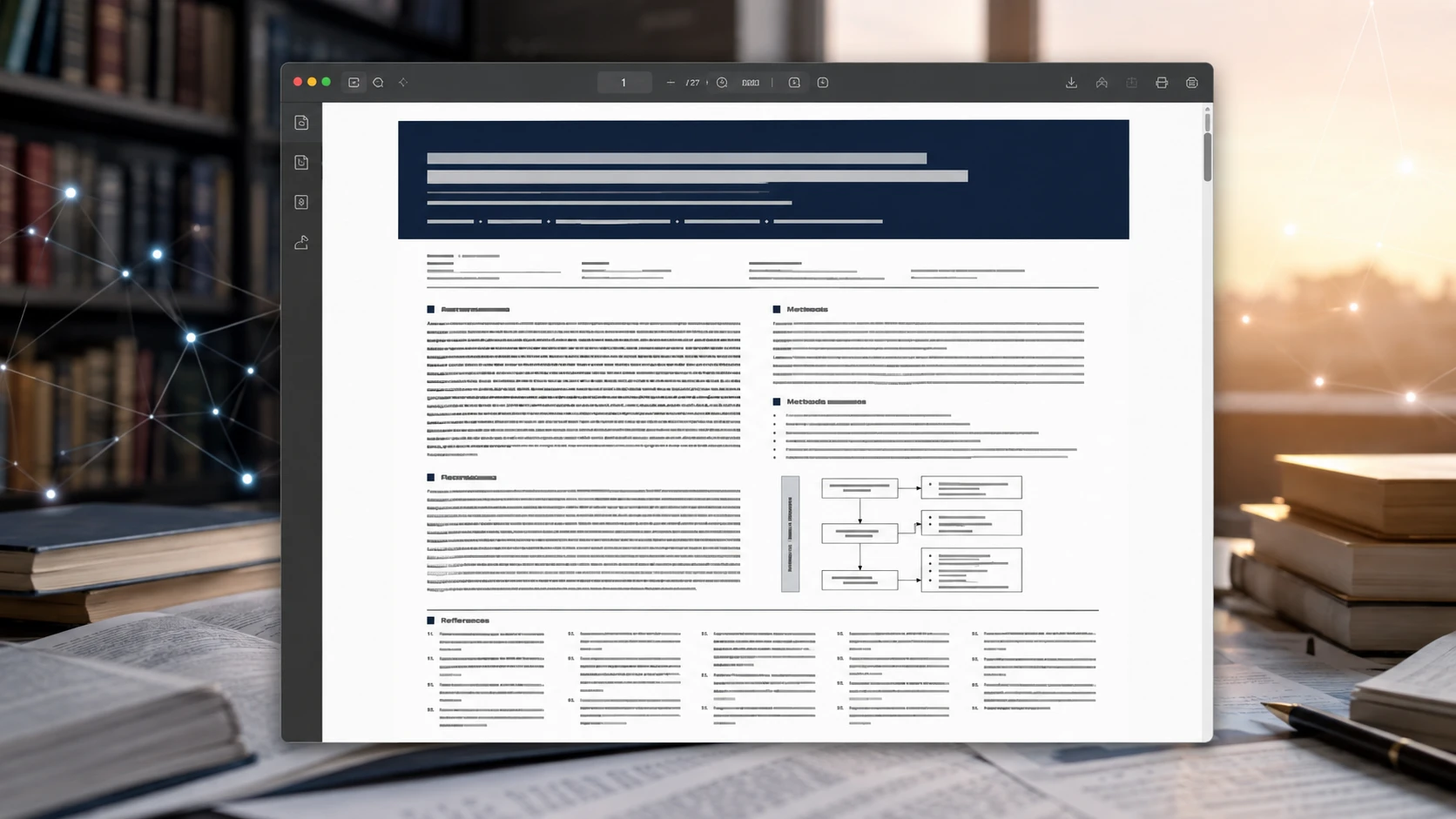
Real literature review examples generated by TutorGPT's Literature Review AI. Tap any example to preview the full review or try its prompt.

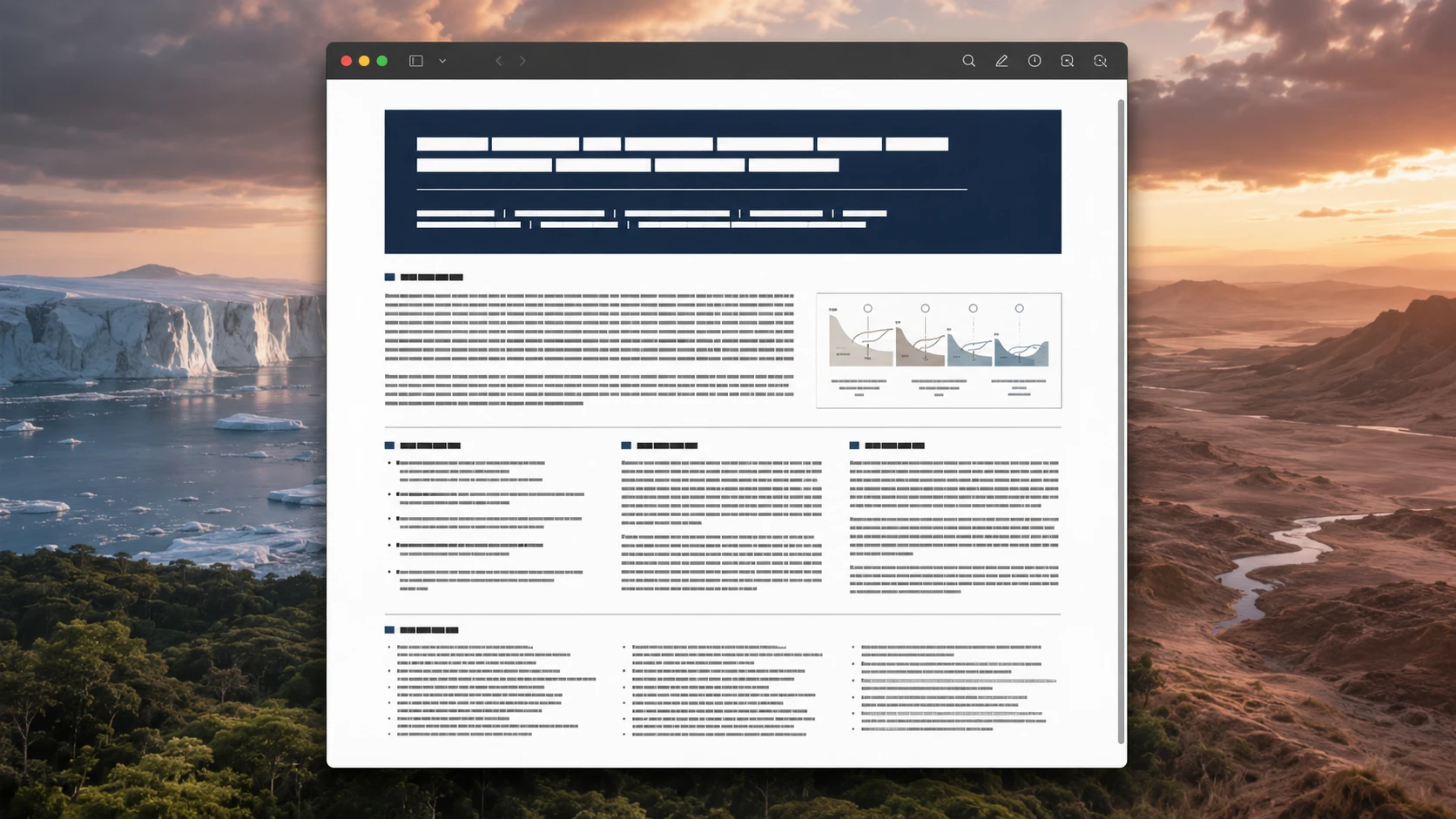
Climate Tipping Points
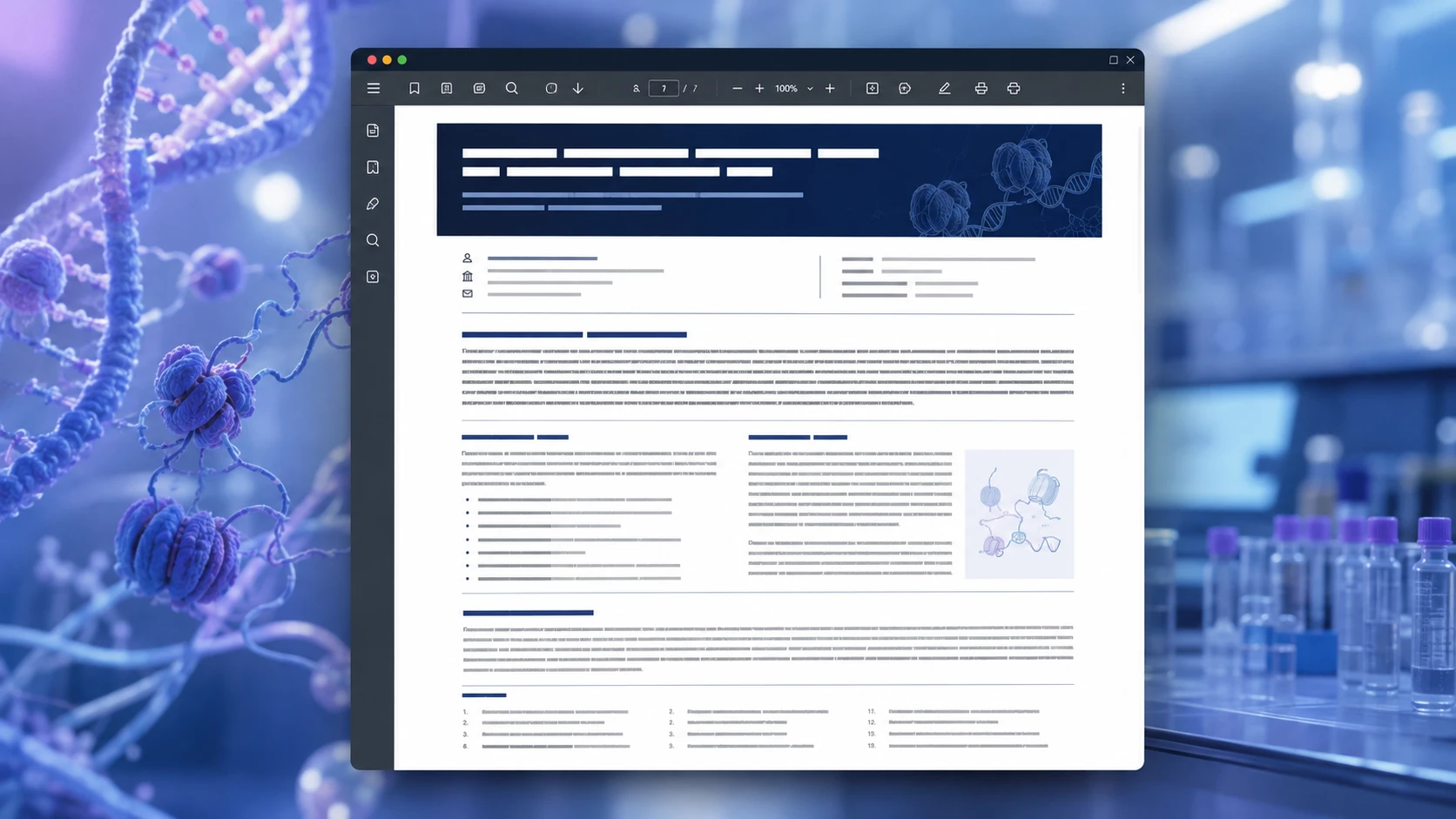
Epigenetic Editing
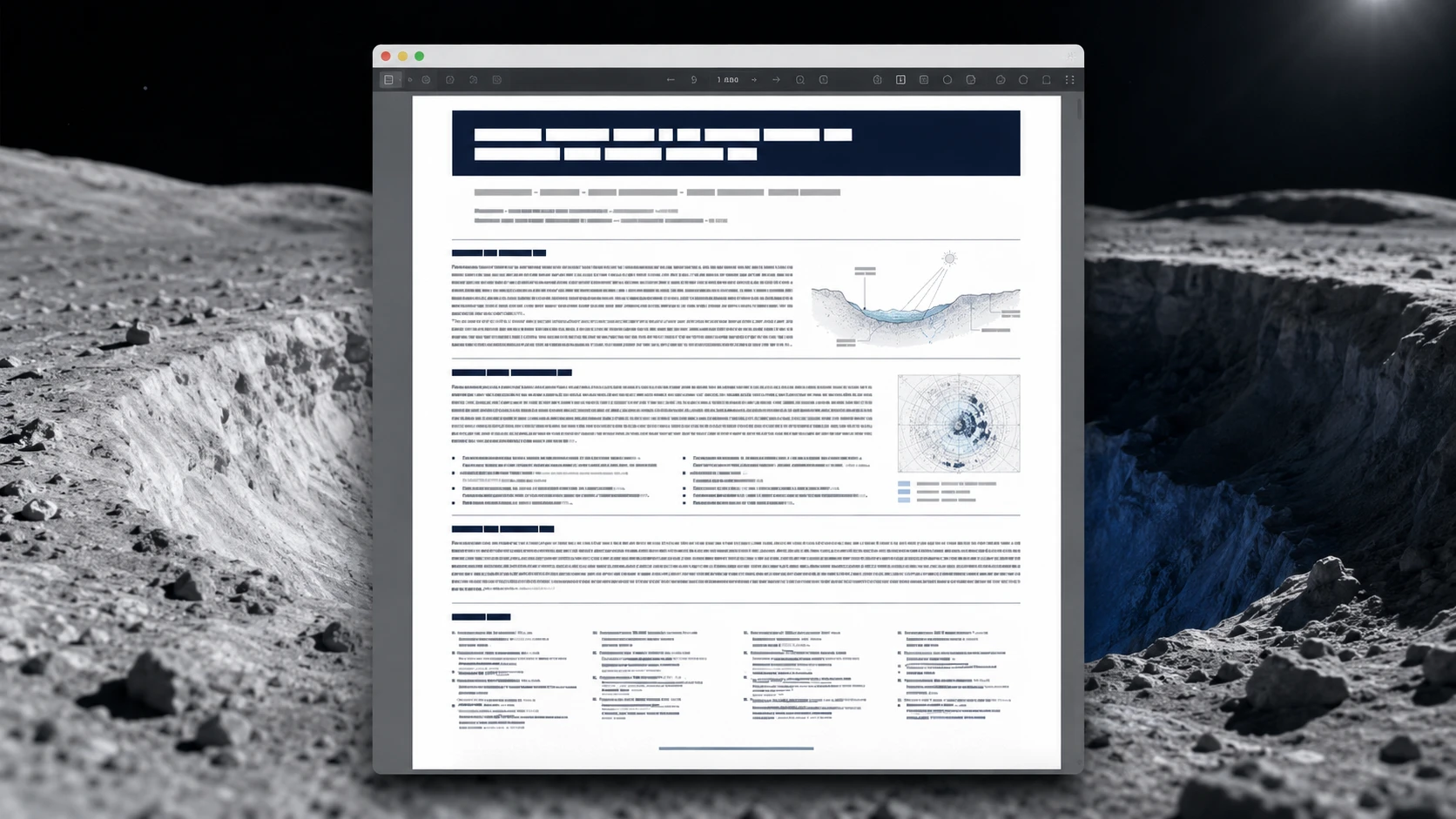
Water Ice on the Moon
The Digital Divide
Climate Fiction & Ecocriticism

Literature Review AI - Free Agent for Academic Research

TutorGPT Literature Review AI Agent helps researchers conduct AI-powered literature reviews. Analyze papers, synthesize findings, and accelerate academic research.

Literature Review AI - Free Agent for Academic Research

Why Do Literature Reviews Get Called “Lacking Critical Depth”?

You’ve spent days searching, reading, and taking notes. So why can a review still come back with the same feedback: “It needs more critical depth”? The hard part usually isn’t how much work you put in—it’s knowing what to do with all that research.

Why Do Literature Reviews Get Called “Lacking Critical Depth”?

How TutorGPT Makes Literature Reviews More Rigorous

Find the Papers Worth Your Attention

Start with your research topic and let TutorGPT’s Literature Review AI Agent search through the literature for you. It helps surface relevant studies and narrow down the noise, so you can spend less time screening papers and more time engaging with the research.

Turn a Stack of Papers Into a Real Discussion

TutorGPT looks across the literature instead of treating every paper as a separate summary. It brings related studies together, compares different approaches, and surfaces agreements and disagreements—giving you a clearer view of how the research fits together.

Surface the Gaps You Might Have Missed

Once the literature is mapped out, TutorGPT helps uncover unanswered questions, limitations, and areas where studies disagree. You make the final call on what matters for your research, with the AI helping you see possibilities you might otherwise overlook.

Built for Every Stage of Academic Research

Graduate Students

Graduate Students

Start with a thesis topic or research question. TutorGPT helps you explore the literature, understand existing work, and build a stronger foundation for your review. Follow-up questions continue in AI chat.

From Research Question to a Deeper Literature Review

Step 1: You Have a Topic. TutorGPT Helps You Go Deeper.

Step 1: You Have a Topic. TutorGPT Helps You Go Deeper.

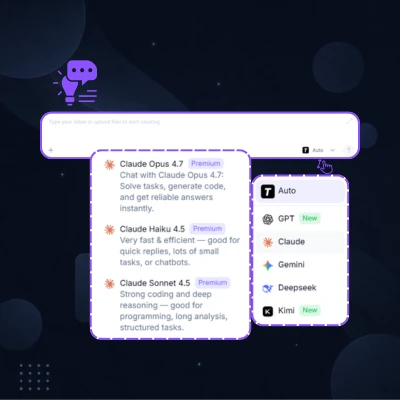
You don’t need to know exactly which papers to look for. Give TutorGPT your research question or topic, and the Literature Review AI Agent takes it from there—exploring the literature around the question you actually want to answer.

Step 2: The Papers Start Coming Together.

Step 2: The Papers Start Coming Together.

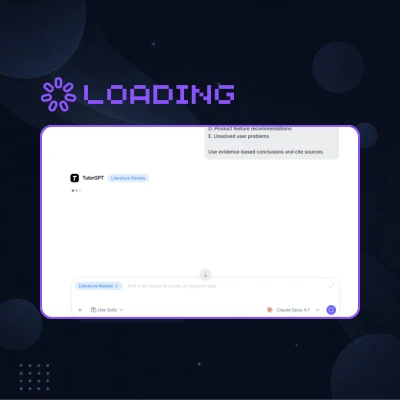
Instead of leaving you with a long list of papers to work through, TutorGPT examines the literature across studies. Key ideas, different approaches, agreements, and disagreements start to take shape, giving you a clearer view of the field.

Step 3: Then You Can See Where Your Research Fits.

Step 3: Then You Can See Where Your Research Fits.

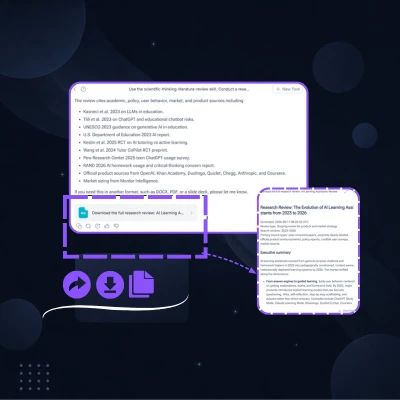
Once the literature is mapped out, TutorGPT helps surface recurring limitations, unanswered questions, and areas of disagreement. You can then decide which gaps are worth pursuing and shape them around your own research.

Go Beyond What’s Already Been Studied

The literature is full of answers. The interesting part is what happens when you start connecting them. Give TutorGPT’s Literature Review AI a research question and see the patterns, debates, and possibilities hiding across the literature.

What Users Say About Literature Review AI

Hannah Reeves avatar

Hannah Reeves

PhD Student, Social Sciences

I was spending more time screening papers than actually reading them. I had hundreds of results from different searches and kept opening the same kinds of abstracts over and over. TutorGPT’s Literature Review AI gave me a much clearer place to start, so I could focus on the studies that actually mattered to my question.
Marcus Bell avatar

Marcus Bell

Doctoral Researcher, Psychology

I had read around 30 papers, but my draft still felt like 30 separate summaries. What helped was Literature Review AI showing the studies side by side—where they agreed, where they reached different conclusions, and how their methods changed the picture. That gave me a much better way to structure my review.
Sophie Mitchell avatar

Sophie Mitchell

PhD Candidate, Education

My supervisor kept asking, “But what’s the actual gap here?” I knew the literature pretty well by then, but I couldn’t see the answer clearly. TutorGPT’s Literature Review AI helped me spot recurring limitations and disagreements that I went back to the original papers to investigate.
Nathan Cole avatar

Nathan Cole

Research Fellow, Computer Science

I was moving into a research area that was pretty new to me, so I had no idea which papers were considered foundational and which ones were just noise. I used TutorGPT’s Literature Review AI to get oriented first, then went back to the original papers for a much deeper read.
Rachel Williams avatar

Rachel Williams

Postdoctoral Researcher, Biomedical Sciences

I’m careful with AI when it comes to academic work. I don’t want a tool making research decisions for me. What works for me is using Literature Review AI to explore the literature and surface connections, then checking the papers myself and deciding what actually belongs in my review.
James Wilson avatar

James Wilson

Assistant Professor, Engineering

I was updating a literature review that hadn’t been touched in a few years. The frustrating part was figuring out what had changed without starting the whole search from scratch. TutorGPT’s Literature Review AI helped me get a quick view of the newer work and showed me which areas deserved a closer look.

Frequently Asked Questions About Literature Review AI